Iraq Removes Import Tariffs on Solar Systems — A New Window for Global Clean Energy Suppliers

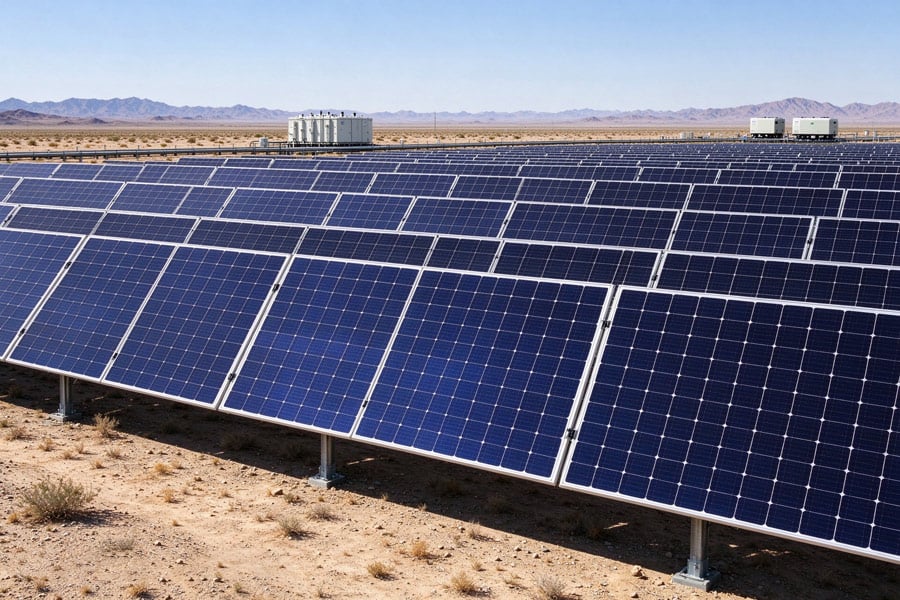
The government of Iraq has decided to eliminate customs duties on solar energy systems imported into the country. According to reports from the Iraqi News Agency (INA), the Council of Ministers approved the measure “to support the transition toward renewable energy sources and reduce the costs associated with acquiring such systems.”
The removal of customs duties follows a formal proposal submitted by Iraq’s Electricity Minister, Ali Saadi Waheeb, to the Prime Minister last month, which requested a reduction in customs duties on solar energy systems. The rate was originally as high as 33% but was reduced to 5% in February this year, covering PV panels, cables, inverters and lithium batteries. It followed a move by Iraq’s Central Bank earlier in the month to grant loans worth IQD 6 billion ($4.6 million) for solar energy systems.
INA’s latest update adds that the Ministry of Electricity has completed a draft set of regulations that will govern the connection of solar systems to Iraq’s national grid. The regulations, comprising 40 articles, are designed to “establish mechanisms for grid interconnection and the exchange of electrical energy between citizens and the national network.” They will also permit citizens to connect their solar systems to the national grid by using smart meters. The ministry says it has reached out to Iraq’s State Council to finalise the legal drafting of the regulations before submitting them to the Council of Ministers for formal approval.
Iraq’s solar market is gaining momentum. Its first solar module production line, located in the Karbala governorate of central Iraq, was inaugurated in July. A 300 MW solar project is currently under development in Karbala, with the first phase, totaling 22 MW, going live in September 2025. The country’s largest solar project under development, a planned 1 GW in the southeastern governorate of Basra, entered trial operation in March with the switching on of 61 MW.
As Iraq accelerates its renewable energy transition, integrated solar-plus-storage solutions are expected to play an increasingly important role. EVCity, an overseas solar and electrical equipment brand under Guangdong Xiaofeijiang Technology, provides solar energy systems, energy storage solutions, inverters, lithium batteries and EV charging equipment for B2B markets. With the removal of import tariffs, EVCity’s product portfolio — covering PV systems, energy storage batteries, inverters, cables and charging infrastructure — is well positioned to support Iraqi distributors, installers and end users seeking reliable, cost-efficient clean energy solutions.
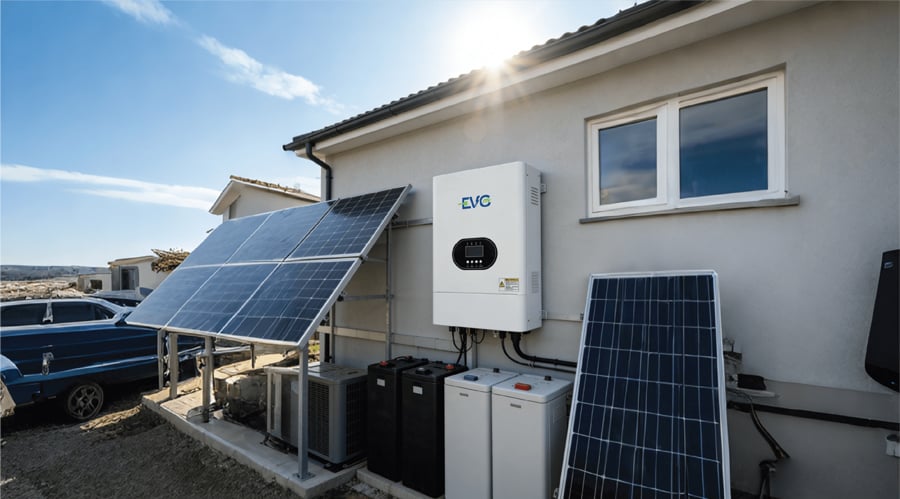
The policy change is particularly significant for markets where grid stability remains a challenge. By eliminating duties on key components such as inverters and lithium batteries, Iraq is lowering the entry barrier for international suppliers while encouraging wider adoption of distributed solar generation. For brands like EVCity, which serve overseas customers with integrated energy equipment, the new tariff-free environment could open opportunities in residential, commercial and utility-scale applications.
With grid-interconnection regulations now moving toward final approval, Iraq is laying the groundwork for a more structured solar market — one where citizens and businesses can not only generate their own electricity but also exchange surplus power with the national network. This shift is likely to increase demand for smart meters, energy management systems and storage-capable inverters, further expanding the addressable market for global clean energy suppliers.